
CBT vs Other Therapies Plain Language

By Dr David Tolin Many different kinds of psychotherapy are available, including cognitive–behavioral therapy (CBT), psychodynamic therapy, interpersonal therapy, and supportive counseling. Patients and clinicians often ask whether one type of therapy works better than the others. This article reviewed the best available scientific studies to determine whether CBT leads to better outcomes than other well‑established forms of psychotherapy. […]
Ego-dystonic thought or suicidal intent? Assessing suicide risk in the context of OCD
By Jonathan Hoffman, PhD During Suicide Prevention Month, our focus sharpens on one of the most complex clinical challenges: assessing suicide risk in patients with severe Obsessive-Compulsive Disorder. Standard risk assessment can be insufficient when a patient reports intrusive thoughts of self-harm. The critical question becomes: are we hearing an ego-dystonic obsession, a common symptom […]
Understanting comorbidity: When People with OCD Also Have ADHD
By Andrea Lacayo, Psy.D. While attention deficit hyperactivity disorder (ADHD) and obsessive-compulsive disorder (OCD) may seem like opposite conditions – one characterized by impulsivity and distractibility, the other by a need for control and focus on small details – they are both points along the impulsive- compulsive spectrum of disorders and often co-occur. Research indicates […]
Repetitive Behaviors in Autism and OCD: How They Are Similar and How They Differ
By David Tolin, Ph.D., ABPP Many people notice that both autism and obsessive–compulsive disorder (OCD) involve repeated behaviors. While these behaviors can look similar on the surface, they usually come from very different reasons and serve very differentpurposes. Understanding these differences can help families, educators, and clinicians respond in more supportive and effective ways. What […]
Overview of Diagnosing and Treating Obsessive-Compulsive Disorder (OCD) in Autism Spectrum Disorder
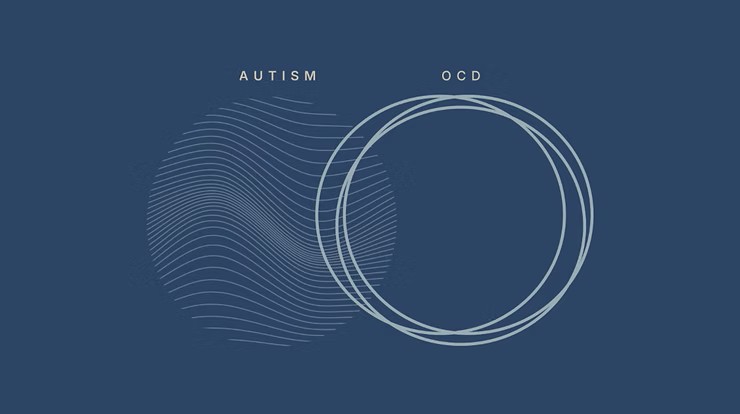
By Jonathan Hoffman, Ph.D., ABPP This article aims to provide an overview of diagnosing and treating Obsessive-Compulsive Disorder Obsessive-Compulsive Disorder (OCD) in the context of Autism Spectrum Disorder (ASD) for impacted individuals and their loved ones. In recent years, awareness that individuals on the autistic spectrum also often meet diagnostic criteria for one or more […]
Intrusive Thoughts: Obsessions, Worry and Rumination

By David Tolin, Ph.D., ABPP Intrusive thoughts are a common human experience, yet they take distinct forms that differ in structure, function, and clinical significance. Three of the most frequently discussed types are obsessions, worry, and rumination. Although they share features—repetitiveness, perceived uncontrollability, and cognitive intrusiveness—their underlying processes and diagnostic implications diverge in meaningful ways. Obsessions, as […]
Bribing vs Positive Reinforcement: Why Timing Matters in Parenting

By Alexis Krigger, MS, BCBA, LABA Many parents ask: “Am I bribing my child to behave?” “Isn’t positive reinforcement just bribery?” These questions usually come from parents who are trying their best and are stuck reacting to challenging behavior in real time. The short answer is: Reinforcement works. Timing determines whether it helps or hurts. Understanding the difference between bribing […]